


1930

's
As the 20s turned to the 30s, film began to modernize — and Universal studios made a name for itself in the horror genre with the release of Frankenstein, The Invisible Man, Dracula and more. The 1930s also marked Universal’s first Academy Award Winning film, All Quiet on the Western Front.
1930

Universal wins its first Academy Award for Best Picture with All Quiet on the Western Front
The acclaimed epic war film is considered to be one of the most realistic portrayals of warfare in the history of cinema.
1931
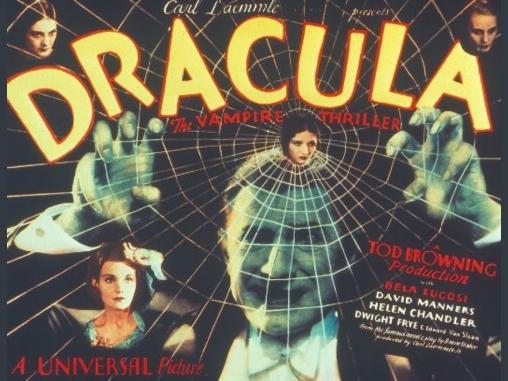
Universal makes its name as king of the horror movie
Universal released multiple iconic horror blockbusters in the 1930s, including Frankenstein, Dracula, and more – introducing the "monster movie" phenomenon that persists today. These low-cost, formulaic films appealed to both American and European audiences, offering an escape from Depression-era life. Universal's unique approach to the horror world cemented the studio's authority in the genre.
1933
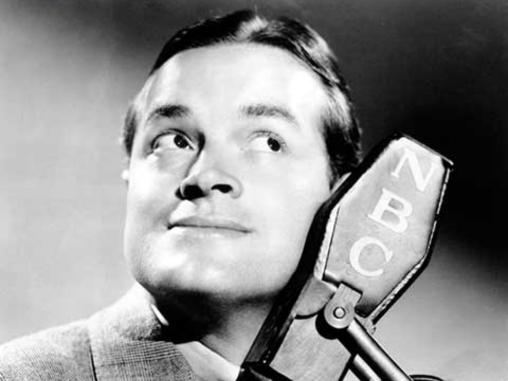
Bob Hope begins his historic broadcasting career on NBC
Bob Hope, an American media icon who defined modern day stand-up comedy, launched his career at NBC in June 1933. He hosted the Academy Awards 19 times (the most of any host) and made 57 tours for the United Service Organizations, entertaining active duty U.S. military personnel around the world.
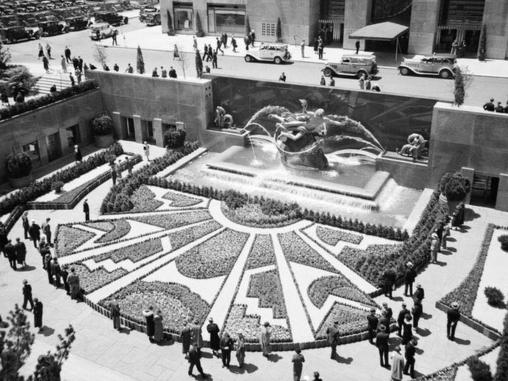
30 Rockefeller Center becomes home to NBC operations
Dubbed a “world center,” the ten story, 40,000 square foot studio inside The RCA Building in Rockefeller Center was built to house NBC’s offices and equipment, including the newest and most improved devices and technology. At that time, the Radio City headquarters became the world’s largest broadcasting studio.
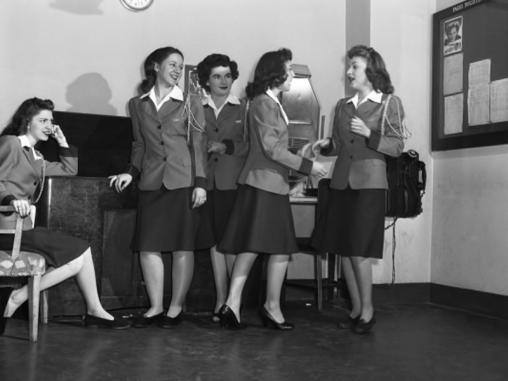
The Page Program begins
The Page Program, a highly competitive rotational learning and development program for young people in the media and entertainment industry, is established. Based in New York City and Los Angeles, the program is one of the most selective and prestigious for early career development.
1936

NBC Radio broadcasts the historic 1936 Berlin Olympics
The Berlin Olympics were the first games to be televised, and radio broadcasts reached 41 countries. NBC aired this historic event, including the record breaking success of Jesse Owens winning 4 gold medals — the first American to do so.
1937
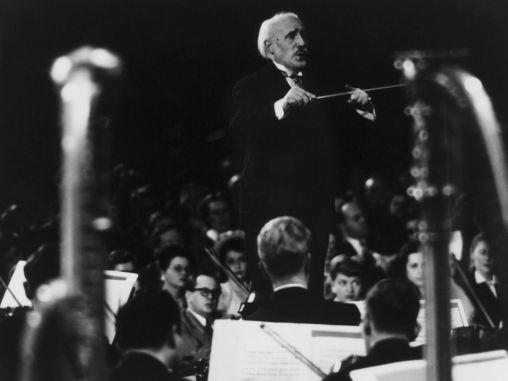
Toscanini leads the NBC Symphony Orchestra
Arturo Toscanini served as the exclusive music director and conductor of the NBC Symphony Orchestra from its creation in 1937 until his retirement in 1954. Formed specifically for him by NBC president David Sarnoff to broadcast classical music, the ensemble achieved immense popularity via radio and, later, early television.
1939


David Sarnoff launches regular TV service from the 1939 World's Fair in Flushing, Queens
Sarnoff spoke from the RCA Exhibit Building, heralding the birth of "a new art and a new industry, which eventually will provide entertainment and information for millions."

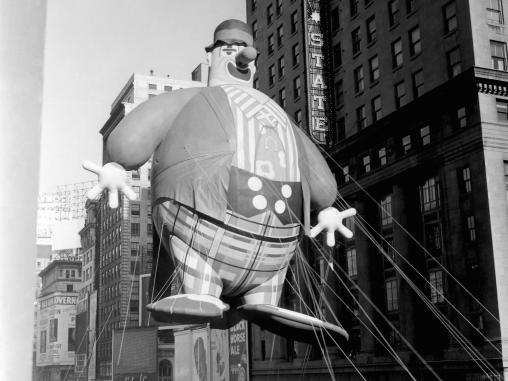
The Macy's Thanksgiving Day Parade television tradition begins
The Macy’s Thanksgiving Day Parade was televised for the first time in 1939 on NBC. The parade became a hallmark event in American culture, playing on the televisions of millions of families around the country in a now almost 100 year long tradition.
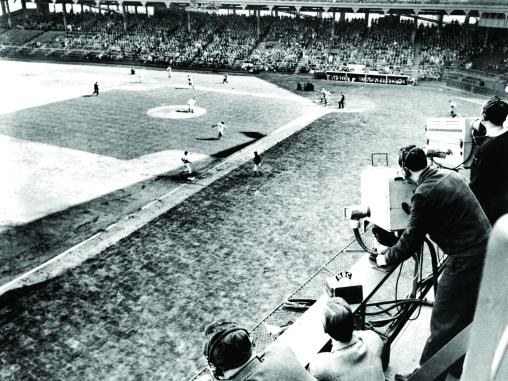
NBC broadcasts the first televised Major League Baseball game
The Cincinnati Reds played the Brookyn Dodgers in a doubleheader at Ebbets Field on August 26.
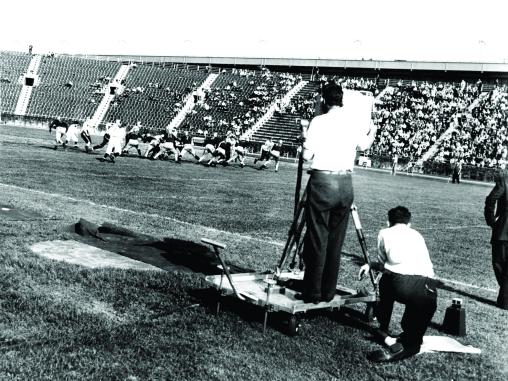
NBC broadcasts the first televised American football game
The college matchup featured the Fordham Rams against the Wayneburg Yellow Jackets at Triborough Stadium on Randall's Island in New York City.
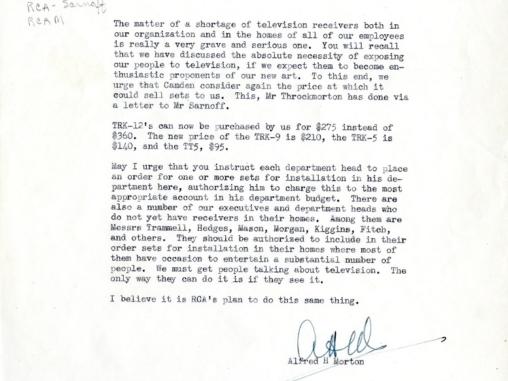
American households begin to purchase home television sets
NBC executive Alfred "Doc" Morton requested discounted prices on televisions for NBC employees, as having a home television set was still uncommon at the time. While this request was initially denied, it later came to fruition.


